
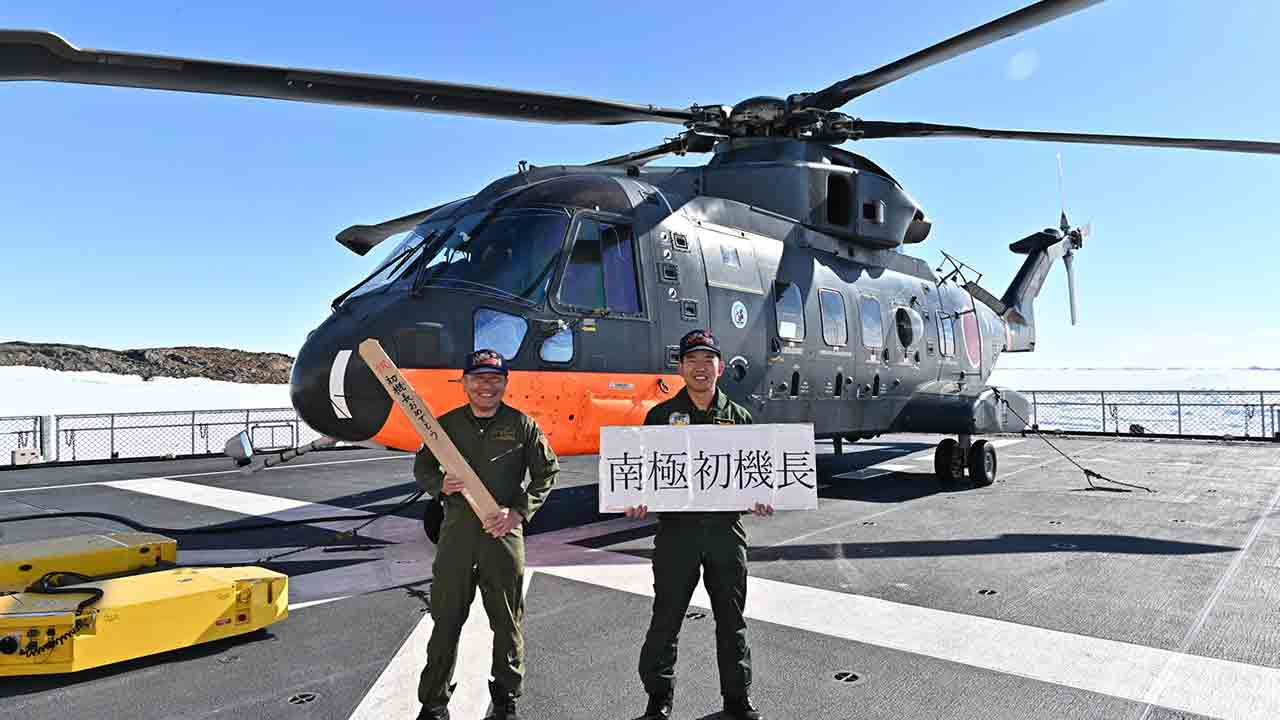
The Japan Maritime Self-Defense Force announced the start of operations with CH-101 helicopters as part of the 67th Regional Antarctic Scientific Expedition.
Activities began on November 19, 2025, and are scheduled to continue through April 23 of the current year, with a focus on logistical and operational support for scientific research conducted on the continent.
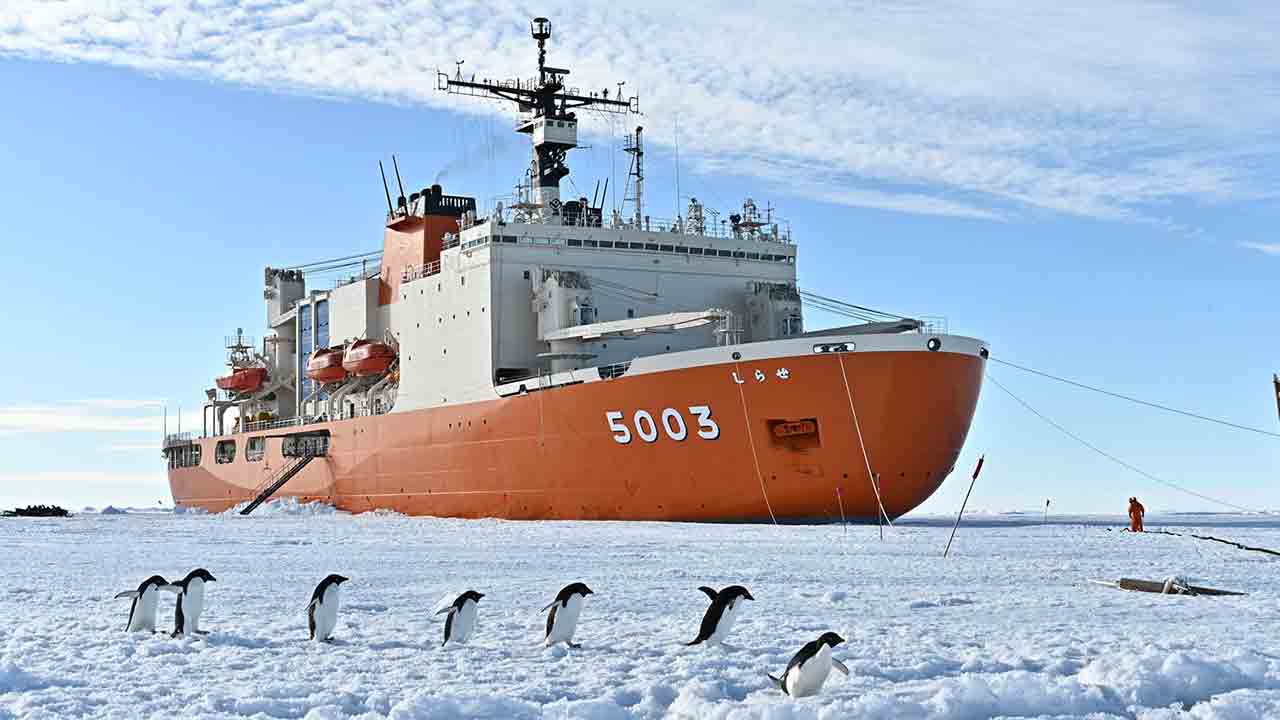
The mission is led by the icebreaker AGB-5003 Shirase, which is equipped with a flight deck for helicopter operations. Over the course of the expedition, approximately 1,100 tonnes of cargo will be transported to resupply the scientific station, while about 300 tonnes of waste and materials — including items used in construction work — will be removed from the region.
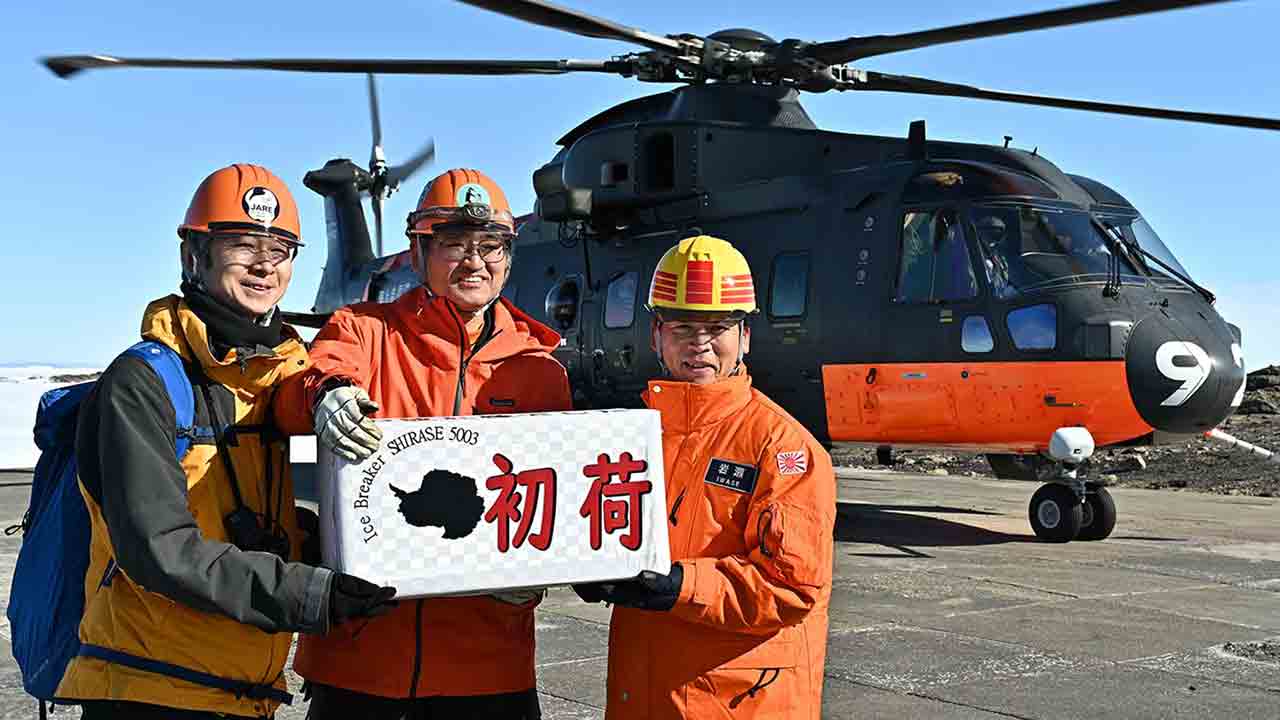
The CH-101 helicopters perform cargo and personnel transport, ground support, and aerial observation tasks, contributing to the mobility and safety of the teams involved.
The model is a specialized modification for Antarctic operations of the MCH-101, a military version adapted from the Leonardo AW101.
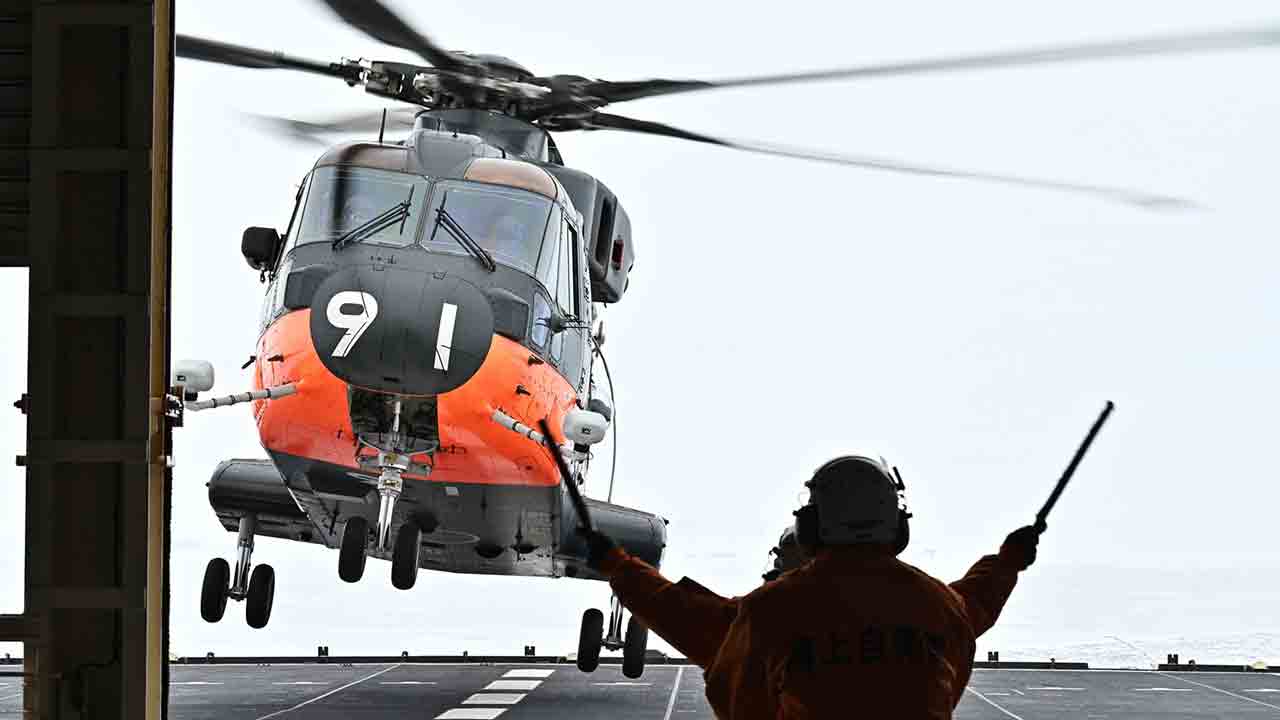
Produced in Japan under license by Kawasaki Heavy Industries, the CH-101 is a multifunctional platform capable of reaching speeds of up to 280 km/h, with performance suited to extreme environments and long-range missions.
+ GE Aerospace receives US$ 1.4 billion contract for CH-53K King Stallion engines
Source and images: 防衛省 海上自衛隊 | Japan Maritime Self-Defense Force | X @JMSDF_PAO. This content was created with the help of AI and reviewed by the editorial team.
